Why starting feels harder than doing
It isn’t laziness and it isn’t a lack of willpower. Here’s what is actually happening in the moment before you begin, and three ways to make that moment smaller.
Summary
The hard part is the switch, not the task. Shrink the first step until it feels almost silly, and let someone (or something) be there when you take it.
Starting often feels harder than doing because the hard part isn’t the task itself. It’s the switch: letting go of what you’re doing, deciding where to begin and finding enough pull to move. It isn’t laziness, and you can make that moment smaller.
The wall before the first step
You know the task. You roughly know how to do it. You might even want to do it. And still there’s a wall between you and the first step, and you can stand in front of it for an hour.
Maybe it’s the essay due on Friday, the maths worksheet, the email to your manager, or the laundry that has been sitting in the basket since the weekend. The size of the task barely matters. Even small things can sit behind that wall for days.
If you have ADHD, this isn’t a character flaw. Starting asks your brain to do several things at once: let go of what it’s doing, decide what comes first, guess how long it will take, and find enough interest to move. Each of those leans on the same system that ADHD makes harder to switch on.
The task isn’t the hard part. The switch is.
Why is it so hard to start a task?
People often describe this as procrastination, but that word makes it sound like a choice to put things off. From the inside, it rarely feels like a choice. It feels more like trying to push a car that won’t start.
The US National Institute of Mental Health describes ADHD inattention as difficulty paying attention, keeping on task and staying organised, and notes that symptoms usually continue into the teen years and adulthood. So if you’re fifteen and stuck on homework, or forty and stuck on a tax form, the wall can feel very similar.
Starting is also where all the uncertainty lives. Before you begin, the task is a blurry shape. You don’t yet know which part is easy, which part is hard, or how long it will really take. Your brain fills those gaps with the worst guess, and the worst guess is heavy.
Why “just start” doesn’t work
Advice like “just start” assumes the hard part is effort. Usually it isn’t. Once you’re moving, the work often feels fine, sometimes even absorbing. The friction lives almost entirely in the move from not-doing to doing.
That’s also why the wall grows the longer you look at it. Every minute of waiting adds a little guilt, and guilt makes the next minute heavier. It’s a loop, not a lack of willpower.
Telling yourself off rarely breaks the loop. It just adds one more heavy thing to carry across the gap. What helps is making the gap itself smaller, so there’s less to push through.
Three ways to make the moment smaller
You can’t remove the switch, but you can shrink it until it’s easier to step over. The three ideas below work together, and each one is small enough to try today.
The first is size. A first step should be so small that your brain can’t build a good argument against it. We wrote a whole piece on this idea, the two-minute door, because it works for almost any task.
The second is timing. Deciding when you’ll start, and saying it out loud, gives the moment a shape. Research on so-called if-then plans, such as “when the bell rings at four, I’ll open my maths book”, suggests that deciding when and where you’ll act makes people more likely to follow through. It isn’t magic, but it means you don’t have to decide from scratch in the stuck moment.
The third is company. Many people find it much easier to begin when someone else is nearby, even if that person is doing something completely different. That’s the idea behind body doubling, and it can be as simple as a sibling reading on the sofa or a friend on a quiet call.
Try this next time you’re stuck
- Make the first step almost silly. Not “write the report”, but “open the document and type the title”. Not “tidy my room”, but “put three things back where they live”.
- Say the start time out loud, ideally to someone. A plan another person has heard is harder to slide past.
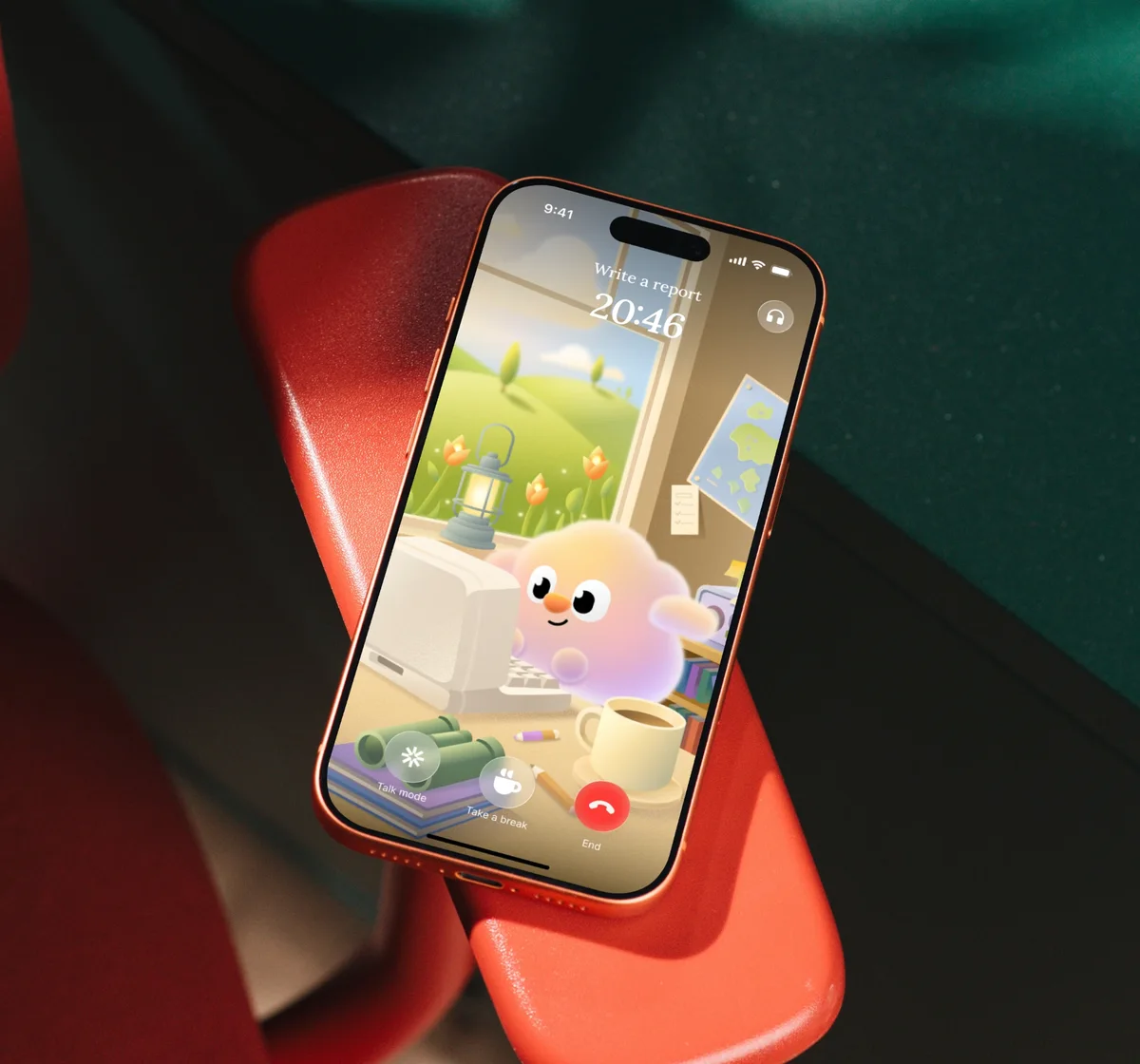
- Bring company: a friend on a call, a quiet library, a parent or housemate nearby, or Lumer beside you. Presence lowers the wall.
When the list makes it worse
Sometimes the wall isn’t one task but all of them at once. If you open your list and freeze, the problem may be that you’re trying to start everything in a single moment. Hiding most of it and looking at just one thing can help, and we’ve written about that in when your to-do list is the thing overwhelming you.
Stopping still counts
Here’s the part people skip: you’re allowed to stop after that tiny first step. Often you won’t want to, but knowing you can makes starting feel less risky. A two-minute start you can walk away from is far easier to begin than a two-hour commitment.
If the wall feels heavier than usual for weeks at a time, or it comes with feeling low or hopeless, that’s worth sharing with someone you trust, like a friend, family member, teacher or doctor. If you ever feel unsafe, please contact your local crisis line or emergency services. You don’t have to carry that part alone.
So be kind to yourself in the moment before. That moment is where most of the work really is, and noticing it means you’re already working on it.
FAQ
Is struggling to start tasks a sign of laziness?
No. For many people, and especially many people with ADHD, the hard part is switching into a task, not caring about it or being able to do it.
Why do I work fine once I’ve started?
Because most of the friction sits in the move from not-doing to doing. Once you’re moving, the task often feels lighter than it looked from outside.
What is one quick way to get started?
Make the first step so small it feels a little silly, like opening the document and typing a title, and let yourself stop after it if you want to.