What is body doubling, and why does it work?
Working next to someone, even silently, can make a stuck task move. A plain-language look at why presence helps an ADHD brain.
Summary
Another person’s quiet presence gives your brain a gentle anchor. You don’t need to talk; you just need someone there.
Body doubling means doing a task while another person is present, in the room or on a call. They don’t need to help or even talk. For many people with ADHD, that quiet company makes it easier to start a task and stay with it.
A strange little trick that works
Maybe you’ve noticed it already. The dishes that sat there all week get done in ten minutes while a friend is over. The homework you’ve been dodging finally gets finished at the kitchen table while someone else is cooking. The email goes out when someone is reading on the other end of the sofa. Nobody helped. Nobody even said anything. They were just there.
That’s body doubling: doing a task with another person present. They might be working on their own thing, scrolling, or simply sitting nearby. They don’t need to know what you’re doing, and they don’t need to check on you. Their presence is the whole point.
What is body doubling, exactly?
The name comes from ADHD and neurodivergent communities rather than from a textbook, and people use it in slightly different ways. In a 2024 survey of 220 people, most of them neurodivergent, participants roughly defined body doubling as using the presence of others to start, stay focused on, or finish a task. Many said they had been doing it for years before they ever heard the name.
The same survey found it used for all sorts of things: studying, working, washing up, cleaning and exercising. Some people body double in a café, some with a friend, some with videos of other people studying. Research on how well it works is still early, so it’s best thought of as a practical strategy many people find helpful, not a sure-fire fix.
Why presence helps
For many people with ADHD, the hard part of a task isn’t the doing. It’s getting going, and then staying with it once the first wave of interest fades. We’ve written more about that moment in why starting feels harder than doing. Alone, there’s nothing holding your attention in place. Every thought, sound and notification gets an equal vote on what you do next.
Another person changes the room. Their quiet focus gives your brain something steady to lean against, a gentle anchor. You feel a little more “on”, the way you sit up slightly when someone walks in. It isn’t pressure, exactly. It’s more like a reminder that this is the time for doing, not drifting.
You don’t need to talk. You just need someone there.
There’s a social side, too. When someone knows you’ve sat down to do the thing, walking away feels like a bigger step than it does alone. And sharing a space makes a dull task feel less lonely, which is often half of what made it heavy.
It doesn’t have to be a big arrangement
Body doubling sounds like it needs planning, but it can be very small. It works in person, on a video call with cameras on and microphones off, or on a phone call where neither of you says much. Some people go to a library for the same reason: other people working nearby set the tone.
For students, it might be a study session with a classmate where you each do your own subject. For adults, it might be a co-working morning, or a housemate folding laundry while you sort through paperwork. Families do it all the time without calling it anything: one person does homework while another pays bills at the same table.
It’s especially good for the boring tasks that offer no reward of their own. If bills, forms and appointments tend to pile up for you, our piece on doing life admin together shows how to turn this into a short, regular habit.
What matters is that it feels safe. A body double isn’t a supervisor. If the person makes you feel watched or judged, the anchor turns into a weight. The best ones are relaxed, kind and a bit boring, in the nicest possible way.
Try this the next time a task won’t move
- Pick one task and decide on a short window, say twenty-five minutes.
- Ask someone to sit with you, in the room or on a call. Tell them they don’t need to do anything.
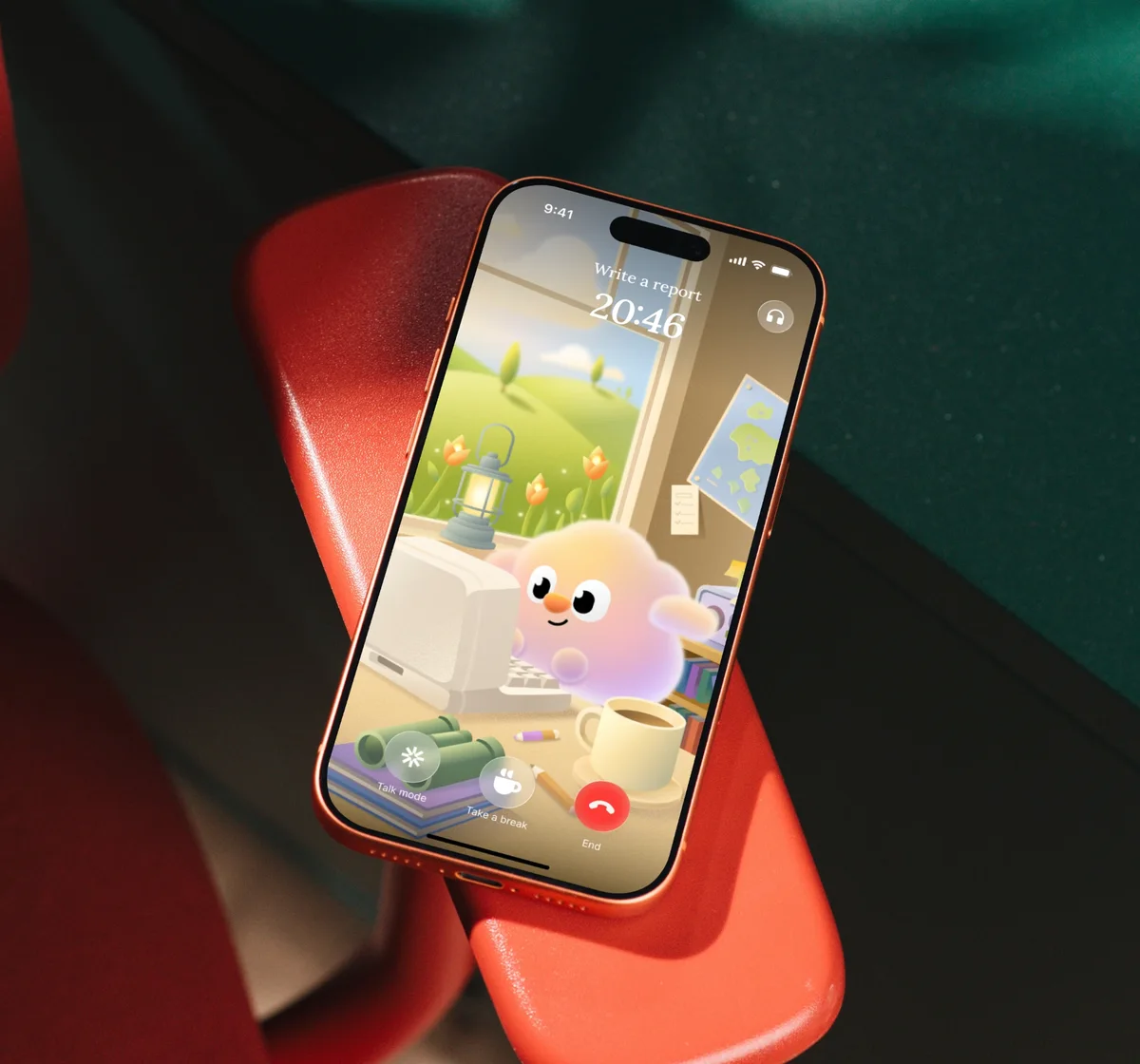
- Say out loud what you’re starting, then start. If no one is free, Lumer can call at the time you choose and stay with you while you begin.
When there’s no one around
Not everyone has a friend free at the right moment, and that’s fine. Public places where people quietly work, like a library or a study hall, can give you some of the same feeling. Online study rooms and silent video calls with friends in other time zones help too.
You can also plan ahead: agree with a friend that you’ll both start at seven, send a short message when you begin, and another when you stop. Even that light touch of company can be enough to get you through the door. It’s also why a phone call can feel so different from a notification.
Being there is enough
It can feel odd to need company for something you “should” be able to do alone. But needing a bit of help to start isn’t a failure. People have always worked better side by side, and an ADHD brain is simply more honest about it.
So if presence helps you, let it. Ask for it without apology. Sometimes the kindest thing you can do for your own focus is to not be alone with it.
FAQ
What is body doubling?
Body doubling means doing a task with another person present. They can be in the room or on a call, and they don’t need to help or even talk.
Does body doubling only help people with ADHD?
No. Lots of people work better with company. It’s simply talked about most in ADHD and neurodivergent communities, where many people rely on it.
Can I body double online?
Yes. A video call with microphones off, a quiet phone call or a shared study session online can all work, as long as the other person feels safe and relaxed.